

Getting Starting
Example
Template For LAMM
- How should I create projects on this architecture? (Github Template)
Documentation
- In general, I will try to describe the architecture in detail (Modification of MVVM). But before reading the documentation, please read the entire example
General Rules
- Forbidden words (
 ):
): -
- And
-
- Or
-
- Where
-
- For
-
- From
-
- Parameter/Parameters
- Alternative to forbidden words (
 ):
): -
- W
- Exception to forbidden words in some situations (
 ):
): -
- And
- Try/catch only at 'NamedUtility','ModelRepository'
Architectural Objects
- We create and write architectural objects in the order in which it will be faster and better for the developer to run all this code. Example: We wrote the design and basic setup in the 'NamedVM' class, and then we started writing 'DataForNamed' to add simple logic for the data loading simulator and displaying a list, and maybe add error, and only then we write 'Model', 'ListModel' to show the concretive data in the list that we need it, and at the end we write 'NamedService' and 'ModelRepository' to load real data (We take into account that we will return to these objects. Example: you write 'DataForNamed' and started writing a 'Model', and then returned to 'DataForNamed' to add this 'Model'.)
- To exchange data between VMs, use 'TempCacheProvider' and also for simulating everything when you don't have time to write models and repositories
Number. Name - Inheritance | Refactoring
123456 . NamedUtility - Refactoring
- NamedVM - Refactoring
- DataForNamed - Refactoring
- Model - Inheritance
- ListModel - Inheritance
- NamedService - Refactoring
- ModelRepository - Inheritance
NamedUtility
Purpose: Can provide any functionality
Knows about: Model, ListModel, ModelRepository, ModelTTNamedTTNamedTTNamedTTIterator, TempCacheProvider
Rules
- KeysNamedServiceUtility - a class where the keys of a specific service are stored, and the keys are distributed across models:
-
- Example - Model 'IPAddress', Key 'Ip', Code 'static const String iPAddressQQIp = "ip"':
- KeysNamedUtility - it can be linked to a class or anything, it all depends on your abstract thinking:
-
- Example - Class 'DataForAntiDDosSystemView', Key 'GetExceptionInStringWhereNotEqualsParametersCodeAndInputCode', Code 'static const String dataForAntiDDosSystemViewQQGetExceptionInStringWhereNotEqualsParametersCodeAndInputCode = "dataForAntiDDosSystemViewQQGetExceptionInStringWhereNotEqualsParametersCodeAndInputCode"':
- NamedUtility - it could be anything:
-
- Example - TimerUtility,InsertUserUtility, etc...
- Methods names:
-
- Get:
-
-
- get(Named)(WhereNamed)
ParameterNamed:
- get(Named)(WhereNamed)
-
-
-
-
- () - optional
-
-
-
-
-
- [] - if available
-
-
-
-
-
- get - required word
-
-
-
-
-
- (Named) - we get primitive type or another model or briefly describe what we are taking
-
-
-
-
-
- (WhereNamed) - describe in as much detail as possible what this method does ( And - for iteration)
- (WhereNamed) - describe in as much detail as possible what this method does (
-
-
-
-
-
FromNamed- if the method has parameters, then list ( And - for iteration)
-
-
-
-
-
ParameterNamed- what global variables were used ( And - for iteration)
-
-
-
-
-
- Method name length - no more than 100 characters (if more than 100, then use numbers (Example - getNamedWhereNamedFromOneParametersTwo))
-
-
-
-
-
- Regarding duplicates - at the end add 'First', 'Second', etc...
-
-
-
-
-
- Local variable name - named(WhereNamed)
ParameterNamed
- Local variable name - named(WhereNamed)
-
-
-
- Void:
-
-
- operation
OtherModelOrPrimitiveType(WhereNamed)ParameterNamed
- operation
-
-
-
-
- () - optional
-
-
-
-
-
- [] - if available
-
-
-
-
-
- operation - insert, update, delete, set, init, etc...
-
-
-
-
-
OtherModelOrPrimitiveType- if your class has a model list or primitive type list parameter. But if you specify a different model or primitive type inFromNamedthen there is no point in specifying that. If you add the same "Model" to your "ListModel" then there is no point in specifying this
-
-
-
-
-
- (WhereNamed) - describe in as much detail as possible what this method does ( And - for iteration)
- (WhereNamed) - describe in as much detail as possible what this method does (
-
-
-
-
-
FromNamed- if the method has parameters, then list ( And - for iteration)
-
-
-
-
-
ParameterNamed- what global variables were used ( And - for iteration)
-
-
-
-
-
- Method name length - no more than 100 characters (if more than 100, then use numbers (Example - operationOtherModelOrPrimitiveTypeWhereNamedFromOneParameterOne))
-
-
-
-
-
- Regarding duplicates - at the end add 'First', 'Second', etc...
-
-
-
- Bool:
-
-
- isWhereNamed
ParameterNamed:
- isWhereNamed
-
-
-
-
- [] - if available
-
-
-
-
-
- isWhereNamed - describe in as much detail as possible what this method does ( And - for iteration)
- isWhereNamed - describe in as much detail as possible what this method does (
-
-
-
-
-
FromNamed- if the method has parameters, then list ( And - for iteration)
-
-
-
-
-
ParameterNamed- what global variables were used ( And - for iteration)
-
-
-
-
-
- Method name length - no more than 100 characters (if more than 100, then use numbers (Example - isWhereNamedFromOneParametersTwo))
-
-
-
-
-
- Regarding duplicates - at the end add 'First', 'Second', etc...
-
-
-
-
-
- Local variable name - isWhereNamed
ParameterNamed
- Local variable name - isWhereNamed
-
-
NamedVM
Purpose: Displays data to the user and manipulates data
Knows about: Model, ListModel, DataForNamed, ModelRepository, ModelTTNamedTTNamedTTNamedTTIterator, NamedUtility, TempCacheProvider
Rules
- A 'NamedVM' called from another 'NamedVM' will be named by its 'Named' as a prefix of 'NamedEENamedVM', and the directories will also be located:
-
- Example:
-
-
- UserVM
-
-
-
-
- UserEEMoviesVM
-
-
-
-
-
-
- UserEEMoviesEEActorsVM
-
-
-
- Private methods that are invoked by other methods using if (Not layout/UI/design methods):
-
- Summary in the form of variables: | Example:
-
-
- Summary in the form of variables:
-
-
-
-
- numberQQ${In which "method" did this madness begin ?}QQ${What "method" started this madness ?}
-
-
-
-
-
-
- numberBranchNumberQQ${In which "method" did this madness begin ?}QQ${What "method" started this madness ?}
-
-
-
-
-
-
-
-
- numberBranchNumberBranchNumberQQ${In which "method" did this madness begin ?}QQ${What "method" started this madness ?}
-
-
-
-
-
-
- Example:
-
-
-
-
- firstQQInitReleaseCallbackQQGetIPAddressWhereJsonipAPIParameterHttpClientService
-
-
-
-
-
-
- firstBranchOneQQInitReleaseCallbackQQGetIPAddressWhereJsonipAPIParameterHttpClientService
-
-
-
-
-
-
-
-
- firstBranchOneBranchOneQQInitReleaseCallbackQQGetIPAddressWhereJsonipAPIParameterHttpClientService
-
-
-
-
-
- Explanation:
-
-
- Private methods created in this way allow you to write complex logic and readable code
-
-
-
- Minimum and maximum two 'QQ' - needed as a separator that helps to quickly understand what this method does
-
-
-
- 'if' create methods:
-
-
-
-
- firstQQFirstRequestQQGetIPAddressWhereJsonipAPIParameterHttpClientService:
-
-
-
-
-
-
- firstBranchOneQQFirstRequestQQGetIPAddressWhereJsonipAPIParameterHttpClientService:
-
-
-
-
-
-
-
-
- firstBranchOneBranchOneQQFirstRequestQQGetIPAddressWhereJsonipAPIParameterHttpClientService
-
-
-
-
-
-
-
-
-
- firstBranchOneBranchTwoQQFirstRequestQQGetIPAddressWhereJsonipAPIParameterHttpClientService
-
-
-
-
-
-
-
-
-
- firstBranchOneBranchThreeQQFirstRequestQQGetIPAddressWhereJsonipAPIParameterHttpClientService
-
-
-
-
-
-
-
-
- firstBranchTwoQQFirstRequestQQGetIPAddressWhereJsonipAPIParameterHttpClientService:
-
-
-
-
-
-
-
-
- firstBranchTwoBranchOneQQFirstRequestQQGetIPAddressWhereJsonipAPIParameterHttpClientService
-
-
-
-
-
-
-
-
-
- firstBranchTwoBranchTwoQQFirstRequestQQGetIPAddressWhereJsonipAPIParameterHttpClientService
-
-
-
-
-
-
-
-
-
- firstBranchTwoBranchThreeQQFirstRequestQQGetIPAddressWhereJsonipAPIParameterHttpClientService
-
-
-
-
-
-
-
-
- firstBranchThreeQQFirstRequestQQGetIPAddressWhereJsonipAPIParameterHttpClientService:
-
-
-
-
-
-
-
-
- firstBranchThreeBranchOneQQFirstRequestQQGetIPAddressWhereJsonipAPIParameterHttpClientService
-
-
-
-
-
-
-
-
-
- firstBranchThreeBranchTwoQQFirstRequestQQGetIPAddressWhereJsonipAPIParameterHttpClientService
-
-
-
-
-
-
-
-
-
- firstBranchThreeBranchThreeQQFirstRequestQQGetIPAddressWhereJsonipAPIParameterHttpClientService
-
-
-
-
-
-
-
- secondQQFirstRequestQQGetIPAddressWhereJsonipAPIParameterHttpClientService:
-
-
-
-
-
-
- secondBranchOneQQFirstRequestQQGetIPAddressWhereJsonipAPIParameterHttpClientService:
-
-
-
-
-
-
-
-
- secondBranchOneBranchOneQQFirstRequestQQGetIPAddressWhereJsonipAPIParameterHttpClientService
-
-
-
-
-
-
-
-
-
- secondBranchOneBranchTwoQQFirstRequestQQGetIPAddressWhereJsonipAPIParameterHttpClientService
-
-
-
-
-
-
-
-
-
- secondBranchOneBranchThreeQQFirstRequestQQGetIPAddressWhereJsonipAPIParameterHttpClientService
-
-
-
-
-
-
-
-
- secondBranchTwoQQFirstRequestQQGetIPAddressWhereJsonipAPIParameterHttpClientService:
-
-
-
-
-
-
-
-
- secondBranchTwoBranchOneQQFirstRequestQQGetIPAddressWhereJsonipAPIParameterHttpClientService
-
-
-
-
-
-
-
-
-
- secondBranchTwoBranchTwoQQFirstRequestQQGetIPAddressWhereJsonipAPIParameterHttpClientService
-
-
-
-
-
-
-
-
-
- secondBranchTwoBranchThreeQQFirstRequestQQGetIPAddressWhereJsonipAPIParameterHttpClientService
-
-
-
-
-
-
-
-
- secondBranchThreeQQFirstRequestQQGetIPAddressWhereJsonipAPIParameterHttpClientService:
-
-
-
-
-
-
-
-
- secondBranchThreeBranchOneQQFirstRequestQQGetIPAddressWhereJsonipAPIParameterHttpClientService
-
-
-
-
-
-
-
-
-
- secondBranchThreeBranchTwoQQFirstRequestQQGetIPAddressWhereJsonipAPIParameterHttpClientService
-
-
-
-
-
-
-
-
-
- secondBranchThreeBranchThreeQQFirstRequestQQGetIPAddressWhereJsonipAPIParameterHttpClientService
-
-
-
-
-
-
-
- thirdQQFirstRequestQQGetIPAddressWhereJsonipAPIParameterHttpClientService:
-
-
-
-
-
-
- thirdBranchOneQQFirstRequestQQGetIPAddressWhereJsonipAPIParameterHttpClientService:
-
-
-
-
-
-
-
-
- thirdBranchOneBranchOneQQFirstRequestQQGetIPAddressWhereJsonipAPIParameterHttpClientService
-
-
-
-
-
-
-
-
-
- thirdBranchOneBranchTwoQQFirstRequestQQGetIPAddressWhereJsonipAPIParameterHttpClientService
-
-
-
-
-
-
-
-
-
- thirdBranchOneBranchThreeQQFirstRequestQQGetIPAddressWhereJsonipAPIParameterHttpClientService
-
-
-
-
-
-
-
-
- thirdBranchTwoQQFirstRequestQQGetIPAddressWhereJsonipAPIParameterHttpClientService:
-
-
-
-
-
-
-
-
- thirdBranchTwoBranchOneQQFirstRequestQQGetIPAddressWhereJsonipAPIParameterHttpClientService
-
-
-
-
-
-
-
-
-
- thirdBranchTwoBranchTwoQQFirstRequestQQGetIPAddressWhereJsonipAPIParameterHttpClientService
-
-
-
-
-
-
-
-
-
- thirdBranchTwoBranchThreeQQFirstRequestQQGetIPAddressWhereJsonipAPIParameterHttpClientService
-
-
-
-
-
-
-
-
- thirdBranchThreeQQFirstRequestQQGetIPAddressWhereJsonipAPIParameterHttpClientService:
-
-
-
-
-
-
-
-
- thirdBranchThreeBranchOneQQFirstRequestQQGetIPAddressWhereJsonipAPIParameterHttpClientService
-
-
-
-
-
-
-
-
-
- thirdBranchThreeBranchTwoQQFirstRequestQQGetIPAddressWhereJsonipAPIParameterHttpClientService
-
-
-
-
-
-
-
-
-
- thirdBranchThreeBranchThreeQQFirstRequestQQGetIPAddressWhereJsonipAPIParameterHttpClientService
-
-
-
-
DataForNamed
Purpose: Contains and manipulates the state of data
Knows about: Model, ListModel, NamedUtility
Rules
- Methods names:
-
- Get:
-
-
- get(Named)(WhereNamed)
ParameterNamed:
- get(Named)(WhereNamed)
-
-
-
-
- () - optional
-
-
-
-
-
- [] - if available
-
-
-
-
-
- get - required word
-
-
-
-
-
- (Named) - we get primitive type or another model or briefly describe what we are taking
-
-
-
-
-
- (WhereNamed) - describe in as much detail as possible what this method does ( And - for iteration)
- (WhereNamed) - describe in as much detail as possible what this method does (
-
-
-
-
-
FromNamed- if the method has parameters, then list ( And - for iteration)
-
-
-
-
-
ParameterNamed- what global variables were used ( And - for iteration)
-
-
-
-
-
- Method name length - no more than 100 characters (if more than 100, then use numbers (Example - getNamedWhereNamedFromOneParametersTwo))
-
-
-
-
-
- Regarding duplicates - at the end add 'First', 'Second', etc...
-
-
-
-
-
- Local variable name - named(WhereNamed)
ParameterNamed
- Local variable name - named(WhereNamed)
-
-
-
- Void:
-
-
- operation
OtherModelOrPrimitiveType(WhereNamed)ParameterNamed
- operation
-
-
-
-
- () - optional
-
-
-
-
-
- [] - if available
-
-
-
-
-
- operation - insert, update, delete, set, init, etc...
-
-
-
-
-
OtherModelOrPrimitiveType- if your class has a model list or primitive type list parameter. But if you specify a different model or primitive type inFromNamedthen there is no point in specifying that. If you add the same "Model" to your "ListModel" then there is no point in specifying this
-
-
-
-
-
- (WhereNamed) - describe in as much detail as possible what this method does ( And - for iteration)
- (WhereNamed) - describe in as much detail as possible what this method does (
-
-
-
-
-
FromNamed- if the method has parameters, then list ( And - for iteration)
-
-
-
-
-
ParameterNamed- what global variables were used ( And - for iteration)
-
-
-
-
-
- Method name length - no more than 100 characters (if more than 100, then use numbers (Example - operationOtherModelOrPrimitiveTypeWhereNamedFromOneParameterOne))
-
-
-
-
-
- Regarding duplicates - at the end add 'First', 'Second', etc...
-
-
-
- Bool:
-
-
- isWhereNamed
ParameterNamed:
- isWhereNamed
-
-
-
-
- [] - if available
-
-
-
-
-
- isWhereNamed - describe in as much detail as possible what this method does ( And - for iteration)
- isWhereNamed - describe in as much detail as possible what this method does (
-
-
-
-
-
FromNamed- if the method has parameters, then list ( And - for iteration)
-
-
-
-
-
ParameterNamed- what global variables were used ( And - for iteration)
-
-
-
-
-
- Method name length - no more than 100 characters (if more than 100, then use numbers (Example - isWhereNamedFromOneParametersTwo))
-
-
-
-
-
- Regarding duplicates - at the end add 'First', 'Second', etc...
-
-
-
-
-
- Local variable name - isWhereNamed
ParameterNamed
- Local variable name - isWhereNamed
-
-
Model
Purpose: Contains and manipulates data
Knows about: NamedUtility
Rules
- If complex logic is needed, then inside a certain model we create model catalogs with the prefix of a certain model (ModelRRNamed):
-
- Example:
-
-
- Matches:
-
-
-
-
- MatchesRRDebut
-
-
-
-
-
- MatchesRRMiddlegame
-
-
-
-
-
- MatchesRREndgame
-
-
- Inheritance classes:
-
- Names of inherited classes:
-
-
- ModelNumber:
-
-
-
-
- Model - The name of the model itself. Example: 'User', 'Movie', etc...
-
-
-
-
-
- Number - 'First','Second','Third', etc...
-
-
-
- Inheritance goes along one branch:
-
-
- User -> UserFirst -> UserSecond -> UserThird
-
-
- When inheriting, we also inherit:
-
-
- 'ListModel'
-
-
-
- 'ModelRepository'
-
-
-
- 'ModelTTNamed
TTNamedTTNamedTTIterator' if exists
- 'ModelTTNamed
-
-
-
-
- [] - if available
-
-
-
-
-
- First 'TT', this is a 'Where'
-
-
-
-
-
- Second 'TT' this is a 'From'
-
-
-
-
-
- Third 'TT' this is a 'Parameter/Parameters'
-
-
-
-
-
- Fourth 'TT' it's just the end
-
-
- Methods names:
-
- Get:
-
-
- get(Named)(WhereNamed)
ParameterNamed:
- get(Named)(WhereNamed)
-
-
-
-
- () - optional
-
-
-
-
-
- [] - if available
-
-
-
-
-
- get - required word
-
-
-
-
-
- (Named) - we get primitive type or another model or briefly describe what we are taking
-
-
-
-
-
- (WhereNamed) - describe in as much detail as possible what this method does ( And - for iteration)
- (WhereNamed) - describe in as much detail as possible what this method does (
-
-
-
-
-
FromNamed- if the method has parameters, then list ( And - for iteration)
-
-
-
-
-
ParameterNamed- what global variables were used ( And - for iteration)
-
-
-
-
-
- Method name length - no more than 100 characters (if more than 100, then use numbers (Example - getNamedWhereNamedFromOneParametersTwo))
-
-
-
-
-
- Regarding duplicates - at the end add 'First', 'Second', etc...
-
-
-
-
-
- Local variable name - named(WhereNamed)
ParameterNamed
- Local variable name - named(WhereNamed)
-
-
-
-
- getModel(WhereNamed)
FromNamed
- getModel(WhereNamed)
-
-
-
-
- () - optional
-
-
-
-
-
- [] - if available
-
-
-
-
-
- getModel - when we return an object of our own class
-
-
-
-
-
- (WhereNamed) - describe in as much detail as possible what this method does ( And - for iteration)
- (WhereNamed) - describe in as much detail as possible what this method does (
-
-
-
-
-
FromNamed- if the method has parameters, then list ( And - for iteration)
-
-
-
-
-
- Method name length - no more than 100 characters (if more than 100, then use numbers (Example - getModelWhereNamedFromOne))
-
-
-
-
-
- Regarding duplicates - at the end add 'First', 'Second', etc...
-
-
-
-
-
- Local variable name - model(WhereNamed)
FromNamed
- Local variable name - model(WhereNamed)
-
-
-
- Void:
-
-
- operation
OtherModelOrPrimitiveType(WhereNamed)ParameterNamed
- operation
-
-
-
-
- () - optional
-
-
-
-
-
- [] - if available
-
-
-
-
-
- operation - insert, update, delete, set, init, etc...
-
-
-
-
-
OtherModelOrPrimitiveType- if your class has a model list or primitive type list parameter. But if you specify a different model or primitive type inFromNamedthen there is no point in specifying that. If you add the same "Model" to your "ListModel" then there is no point in specifying this
-
-
-
-
-
- (WhereNamed) - describe in as much detail as possible what this method does ( And - for iteration)
- (WhereNamed) - describe in as much detail as possible what this method does (
-
-
-
-
-
FromNamed- if the method has parameters, then list ( And - for iteration)
-
-
-
-
-
ParameterNamed- what global variables were used ( And - for iteration)
-
-
-
-
-
- Method name length - no more than 100 characters (if more than 100, then use numbers (Example - operationOtherModelOrPrimitiveTypeWhereNamedFromOneParameterOne))
-
-
-
-
-
- Regarding duplicates - at the end add 'First', 'Second', etc...
-
-
-
- Bool:
-
-
- isWhereNamed
ParameterNamed:
- isWhereNamed
-
-
-
-
- [] - if available
-
-
-
-
-
- isWhereNamed - describe in as much detail as possible what this method does ( And - for iteration)
- isWhereNamed - describe in as much detail as possible what this method does (
-
-
-
-
-
FromNamed- if the method has parameters, then list ( And - for iteration)
-
-
-
-
-
ParameterNamed- what global variables were used ( And - for iteration)
-
-
-
-
-
- Method name length - no more than 100 characters (if more than 100, then use numbers (Example - isWhereNamedFromOneParametersTwo))
-
-
-
-
-
- Regarding duplicates - at the end add 'First', 'Second', etc...
-
-
-
-
-
- Local variable name - isWhereNamed
ParameterNamed
- Local variable name - isWhereNamed
-
-
ListModel
Purpose: Store and manage a list of models
Knows about: Model, ModelTTNamedTTNamedTTNamedTTIterator, NamedUtility
Rules
- Inheritance classes:
-
- Names of inherited classes:
-
-
- ListModelNumber:
-
-
-
-
- ListModel - The name of the model itself. Example - 'ListUser', 'ListMovie', etc...
-
-
-
-
-
- Number - 'First','Second','Third', etc...
-
-
-
- Inheritance goes along one branch:
-
-
- ListUser -> ListUserFirst -> ListUserSecond -> ListUserThird
-
-
- When inheriting, we also inherit:
-
-
- 'Model'
-
-
-
- 'ModelRepository'
-
-
-
- 'ModelTTNamed
TTNamedTTNamedTTIterator' if exists
- 'ModelTTNamed
-
- Methods names:
-
- Get:
-
-
- get(Named)(WhereNamed)
ParameterNamed:
- get(Named)(WhereNamed)
-
-
-
-
- () - optional
-
-
-
-
-
- [] - if available
-
-
-
-
-
- get - required word
-
-
-
-
-
- (Named) - we get primitive type or another model or briefly describe what we are taking
-
-
-
-
-
- (WhereNamed) - describe in as much detail as possible what this method does ( And - for iteration)
- (WhereNamed) - describe in as much detail as possible what this method does (
-
-
-
-
-
FromNamed- if the method has parameters, then list ( And - for iteration)
-
-
-
-
-
ParameterNamed- what global variables were used ( And - for iteration)
-
-
-
-
-
- Method name length - no more than 100 characters (if more than 100, then use numbers (Example - getNamedWhereNamedFromOneParametersTwo))
-
-
-
-
-
- Regarding duplicates - at the end add 'First', 'Second', etc...
-
-
-
-
-
- Local variable name - named(WhereNamed)
ParameterNamed
- Local variable name - named(WhereNamed)
-
-
-
- Void:
-
-
- operation
OtherModelOrPrimitiveType(WhereNamed)ParameterNamed
- operation
-
-
-
-
- () - optional
-
-
-
-
-
- [] - if available
-
-
-
-
-
- operation - insert, update, delete, set, init, etc...
-
-
-
-
-
OtherModelOrPrimitiveType- if your class has a model list or primitive type list parameter. But if you specify a different model or primitive type inFromNamedthen there is no point in specifying that. If you add the same "Model" to your "ListModel" then there is no point in specifying this
-
-
-
-
-
- (WhereNamed) - describe in as much detail as possible what this method does ( And - for iteration)
- (WhereNamed) - describe in as much detail as possible what this method does (
-
-
-
-
-
FromNamed- if the method has parameters, then list ( And - for iteration)
-
-
-
-
-
ParameterNamed- what global variables were used ( And - for iteration)
-
-
-
-
-
- Method name length - no more than 100 characters (if more than 100, then use numbers (Example - operationOtherModelOrPrimitiveTypeWhereNamedFromOneParameterOne))
-
-
-
-
-
- Regarding duplicates - at the end add 'First', 'Second', etc...
-
-
-
- Bool:
-
-
- isWhereNamed
ParameterNamed:
- isWhereNamed
-
-
-
-
- [] - if available
-
-
-
-
-
- isWhereNamed - describe in as much detail as possible what this method does ( And - for iteration)
- isWhereNamed - describe in as much detail as possible what this method does (
-
-
-
-
-
FromNamed- if the method has parameters, then list ( And - for iteration)
-
-
-
-
-
ParameterNamed- what global variables were used ( And - for iteration)
-
-
-
-
-
- Method name length - no more than 100 characters (if more than 100, then use numbers (Example - isWhereNamedFromOneParametersTwo))
-
-
-
-
-
- Regarding duplicates - at the end add 'First', 'Second', etc...
-
-
-
-
-
- Local variable name - isWhereNamed
ParameterNamed
- Local variable name - isWhereNamed
-
-
ModelTTNamedTTNamedTTNamedTTIterator
Purpose: Sort data a list of models
Knows about: Model, ListModel, NamedUtility
Rules
- ModelTTNamed
TTNamedTTNamedTTIterator -
- [] - if available
-
- First 'TT', this is a 'Where'
-
- Second 'TT' this is a 'From'
-
- Third 'TT' this is a 'Parameter/Parameters'
-
- Fourth 'TT' it's just the end
- Inheritance classes:
-
- Names of inherited classes:
-
-
- ModelNumberTTNamed
TTNamedTTNamedTTIterator
- ModelNumberTTNamed
-
-
- Inheritance goes along one branch:
-
-
- ModelTTNamed
TTNamedTTNamedTTIterator -> ModelFirstTTNamedTTNamedTTNamedTTIterator -> ModelSecondTTNamedTTNamedTTNamedTTIterator -> ModelThirdTTNamedTTNamedTTNamedTTIterator
- ModelTTNamed
-
-
- When inheriting, we also inherit:
-
-
- 'Model'
-
-
-
- 'ListModel'
-
-
-
- 'ModelRepository'
-
NamedService
Purpose: Access network and cache
Knows about: NamedUtility
Rules
- Methods names:
-
- Get:
-
-
- get(Named)(WhereNamed)
ParameterNamed:
- get(Named)(WhereNamed)
-
-
-
-
- () - optional
-
-
-
-
-
- [] - if available
-
-
-
-
-
- get - required word
-
-
-
-
-
- (Named) - we get primitive type or another model or briefly describe what we are taking
-
-
-
-
-
- (WhereNamed) - describe in as much detail as possible what this method does ( And - for iteration)
- (WhereNamed) - describe in as much detail as possible what this method does (
-
-
-
-
-
FromNamed- if the method has parameters, then list ( And - for iteration)
-
-
-
-
-
ParameterNamed- what global variables were used ( And - for iteration)
-
-
-
-
-
- Method name length - no more than 100 characters (if more than 100, then use numbers (Example - getNamedWhereNamedFromOneParametersTwo))
-
-
-
-
-
- Regarding duplicates - at the end add 'First', 'Second', etc...
-
-
-
-
-
- Local variable name - named(WhereNamed)
ParameterNamed
- Local variable name - named(WhereNamed)
-
-
-
- Void:
-
-
- operation
OtherModelOrPrimitiveType(WhereNamed)ParameterNamed
- operation
-
-
-
-
- () - optional
-
-
-
-
-
- [] - if available
-
-
-
-
-
- operation - insert, update, delete, set, init, etc...
-
-
-
-
-
OtherModelOrPrimitiveType- if your class has a model list or primitive type list parameter. But if you specify a different model or primitive type inFromNamedthen there is no point in specifying that. If you add the same "Model" to your "ListModel" then there is no point in specifying this
-
-
-
-
-
- (WhereNamed) - describe in as much detail as possible what this method does ( And - for iteration)
- (WhereNamed) - describe in as much detail as possible what this method does (
-
-
-
-
-
FromNamed- if the method has parameters, then list ( And - for iteration)
-
-
-
-
-
ParameterNamed- what global variables were used ( And - for iteration)
-
-
-
-
-
- Method name length - no more than 100 characters (if more than 100, then use numbers (Example - operationOtherModelOrPrimitiveTypeWhereNamedFromOneParameterOne))
-
-
-
-
-
- Regarding duplicates - at the end add 'First', 'Second', etc...
-
-
-
- Bool:
-
-
- isWhereNamed
ParameterNamed:
- isWhereNamed
-
-
-
-
- [] - if available
-
-
-
-
-
- isWhereNamed - describe in as much detail as possible what this method does ( And - for iteration)
- isWhereNamed - describe in as much detail as possible what this method does (
-
-
-
-
-
FromNamed- if the method has parameters, then list ( And - for iteration)
-
-
-
-
-
ParameterNamed- what global variables were used ( And - for iteration)
-
-
-
-
-
- Method name length - no more than 100 characters (if more than 100, then use numbers (Example - isWhereNamedFromOneParametersTwo))
-
-
-
-
-
- Regarding duplicates - at the end add 'First', 'Second', etc...
-
-
-
-
-
- Local variable name - isWhereNamed
ParameterNamed
- Local variable name - isWhereNamed
-
-
ModelRepository
Purpose: Retrieve data from cache and network
Knows about: NamedService, Model, ListModel
Rules
- Do not call methods 'Model', 'ListModel':
-
- So that it does not contradict the purpose of the object (At the moment it is not clear which pattern to solve this)
- Inheritance classes:
-
- Names of inherited classes:
-
-
- ModelNumberRepository:
-
-
-
-
- Number - 'First','Second','Third', etc...
-
-
-
- Inheritance goes along one branch:
-
-
- UserRepository -> UserFirstRepository -> UserSecondRepository -> UserThirdRepository
-
-
- When inheriting, we also inherit:
-
-
- 'Model'
-
-
-
- 'ListModel'
-
-
-
- 'ModelTTNamed
TTNamedTTNamedTTIterator' if exists
- 'ModelTTNamed
-
- Methods names:
-
- OperationModel(WhereNamed)
FromNamedParameterNamed:
- OperationModel(WhereNamed)
-
-
- () - optional
-
-
-
- [] - if available
-
-
-
- Operation - insert, update, delete, set, init, etc...
-
-
-
- Model - name model
-
-
-
- (WhereNamed) - describe in as much detail as possible what this class does ( And - for iteration)
- (WhereNamed) - describe in as much detail as possible what this class does (
-
-
-
FromNamed- if the method has parameters, then list ( And - for iteration)
-
-
-
- ParameterNamed - services and other parameters ( And - for iteration)
- ParameterNamed - services and other parameters (
-
-
-
- Local variable names - operationModel(WhereNamed)
FromNamedParameterNamed
- Local variable names - operationModel(WhereNamed)
-
Design Patterns
- Design patterns used in 'LAMM' (-Design Patterns/--Classes):
-
- Observer:
-
-
- BaseNamedStreamWState
-
-
-
- DefaultStreamWState
-
-
- Similar to 'Pub/Sub':
-
-
- TempCacheService
-
-
-
- TempCacheProvider
-
-
- Singleton:
-
-
- TempCacheService
-
-
-
- TempCacheProvider
-
-
- Factory method:
-
-
- BaseModelTTNamed
TTNamedTTNamedTTIterator
- BaseModelTTNamed
-
-
-
- BaseException
-
-
- Prototype:
-
-
- BaseModel
-
-
-
- BaseListModel
-
-
- Similar to 'Adapter':
-
-
- ExceptionController
-
Software Architecture Evaluation Theory
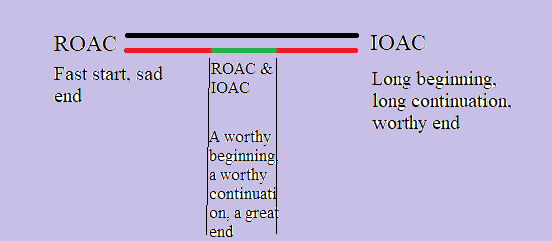
- We need to understand which classes to inherit and which classes to refactor, because if we inherit everything, we will waste a lot of time making the bodies of all methods abstract (i.e., encapsulate the code in the second methods), and If we refactor everything, we will lose the quality of the code, and this will lead to errors in the program, so it is necessary to balance between inheritance and refactoring
- Refactoring Of Architectural Components (ROAC):
-
- Code rules
- Inheritance Of Architectural Components (IOAC):
-
- SOLID principles
-
- Design Patterns
-
- Code rules
- Calculation formula:
-
- Inaccurate calculation
-
- Input:
-
-
- ROAC = 4 (NamedUtility, NamedVM, DataForNamed, NamedService)
-
-
-
- IOAC = 3 (Model, ListModel, ModelRepository)
-
-
-
-
- Formula:
-
-
-
-
-
-
- IOAC / (ROAC + IOAC) * 100 = 43%:
-
-
-
-
-
-
-
-
- 0-30% or 70-100% - this is bad
-
-
-
-
-
-
-
-
-
- 50-55% - it's perfect
-
-
-
-
- Note: We take into account that inheritance and refactoring must be correctly implemented, and the program must combine everything necessary, otherwise your architecture will not be able to take part in the evaluation, since it does not meet the needs of modern applications
Libraries
- library_architecture_mvvm_modify
- We load all other files into this file, and then use it in the application where we need it Where to use ? - Anywhere